Origin
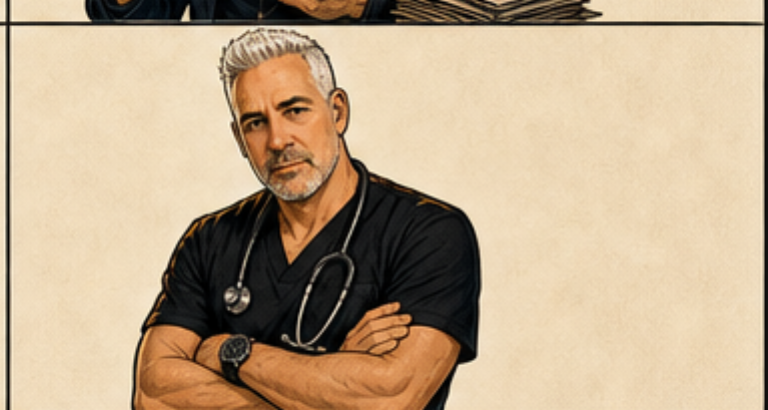
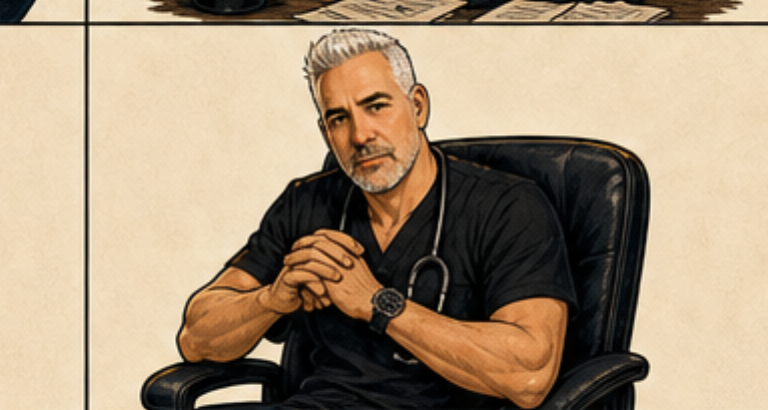
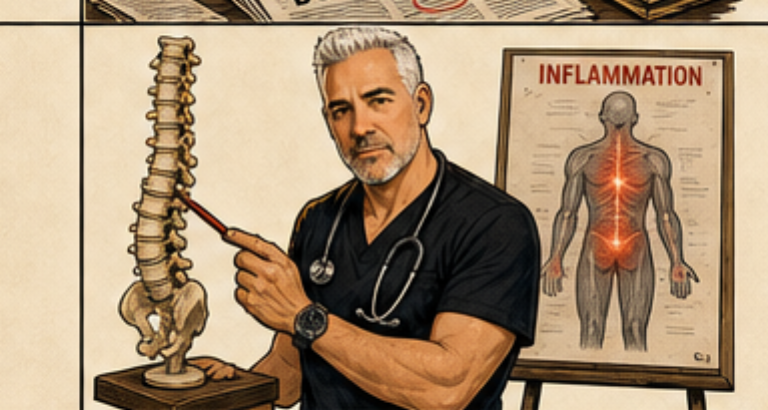
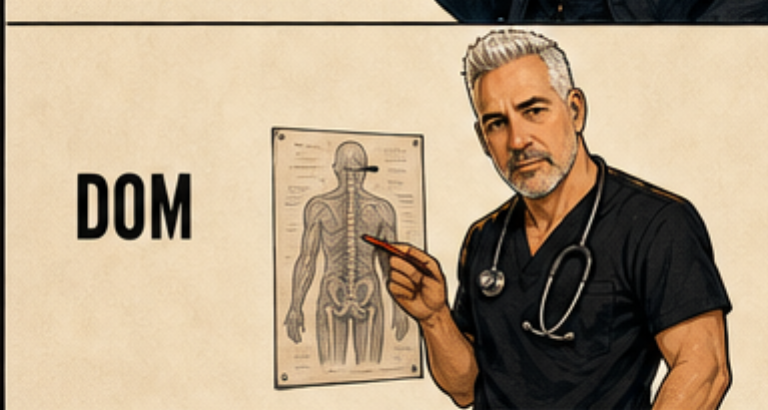
Some guys enter the health racket to sell you a bottle, a protocol, a miracle, a membership, and a laminated excuse for why none of it worked. Dom Mazza came in through the spine. The body, like a city, keeps receipts. Stress leaves fingerprints. Bad sleep kicks in doors. Sugar, alcohol, inflammation, movement, work, worry — they all show up eventually, usually wearing somebody else’s jacket.
The First File
That is the operating logic behind The Dom Adjustment, FF2K’s health-and-wellness contrarian lane for people tired of treating the symptom like it committed the crime. His first file was simple enough: Stop Shooting the Messenger. Cholesterol wasn’t the villain in a black hat. It was the courier stumbling into town with bad news. The fire was somewhere else.
Early File
Before the world cracked open, Dom was not wandering around looking for a conspiracy to adopt. He was left-leaning, high-trust, and institutionally comfortable — the kind of guy who generally believed the adults were in the room, the systems basically worked, and if there was a crisis, responsible people would level with the country.
Breaking Point
Then came COVID. To Dom, lockdowns rolled across the country with the moral force of emergency and the bureaucratic texture of guesswork. He heard public-health authorities speak in thunder when a little uncertainty would have gone a long way. He saw the public conversation around natural immunity get dismissed, downplayed, or treated as an inconvenient witness.
The Pressure Campaign
To Dom, the vaccine rollout was packaged not merely as a medical intervention but as a cultural lottery ticket — the scratch-off that promised freedom, status, and permission to rejoin polite society. Then came mandates, institutional threats, social coercion, and a narrowing corridor of acceptable questions.
What Changed
That is the part that changed him. Not because he decided every official statement was false. Not because he stopped believing biology mattered. Because he saw how fast a health question could become a loyalty test, how quickly dissent could be laundered into danger, and how easily institutions could mistake compliance for trust.
Why Dom Is Dom
The Dom Adjustment comes out of that fracture. His suspicion is not anti-science. It is anti-incantation. “Science says” is not a spell. “Experts agree” is not an argument. Public-health slogans are not a substitute for transparent evidence, open debate, and honest limits. Dom’s voice is contrarian, but not performatively feral. He is the guy in the back of the room asking why the fire alarm keeps going off and why everyone is arguing about the noise instead of looking for smoke.
No miracle cures. No white-coat theater. No velvet rope around inconvenient questions. Just a health column with a noir file folder under its arm, asking whether the symptom is really the criminal, whether the messenger is getting framed, and whether the institutions demanding trust have done anything lately to deserve it.