Full recap
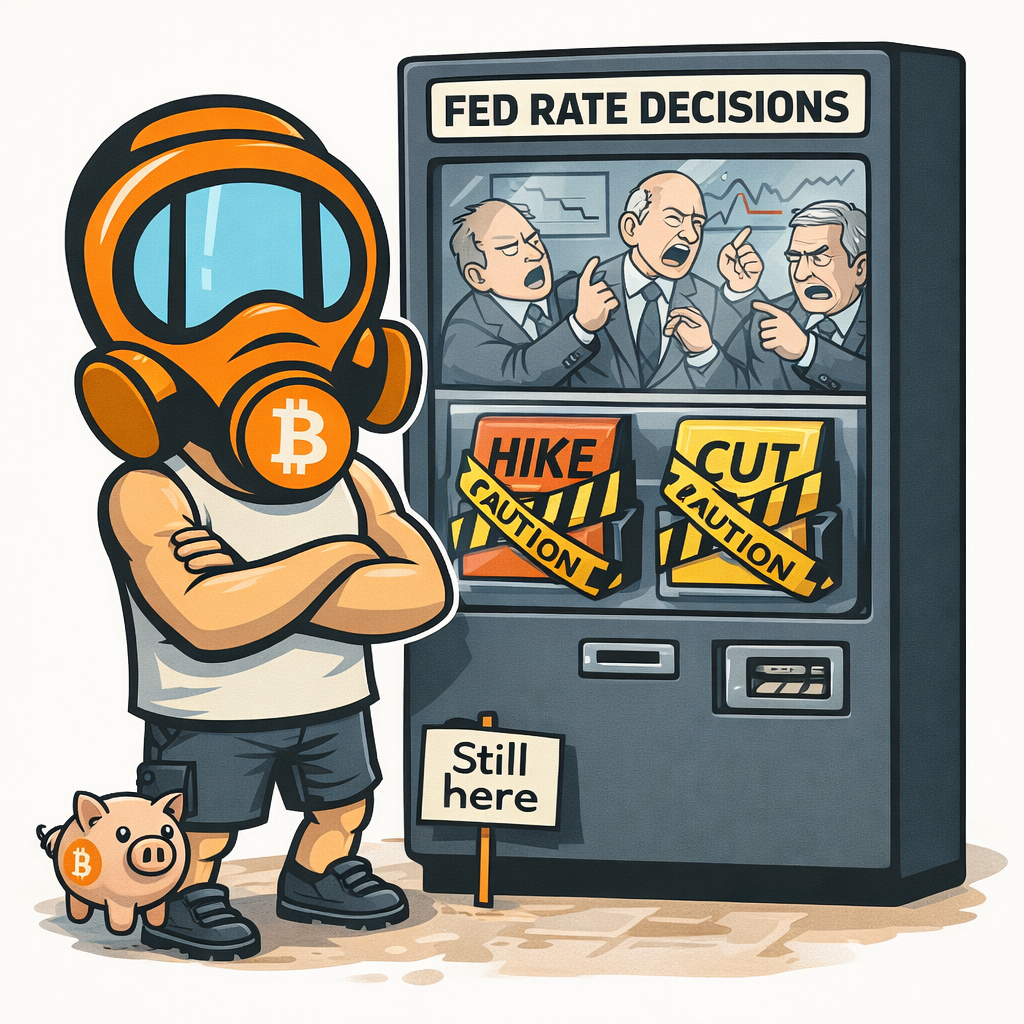
Good morning. The Nasdaq is vibing above 22,000 like a man who just survived a war and immediately bought calls. United Airlines, Micron, and Chevron are all making premarket moves, which means the algos are already caffeinated and the humans are still finding their coffee. Welcome to another day in the attention economy. The Fed, meanwhile, is apparently having a "family fight" over interest rates, which is the most polite way to describe a committee of economists arguing about the price of money while the rest of us argue about the price of eggs. Historical precedent says they rarely make just one move, so buckle up. The squabble has legs. China is warning the world about Anthropic's Claude Code having backdoor vulnerabilities. Let that sink in for a second. China, the country that runs the Great Firewall, is raising its hand about foreign AI security risks. The irony is so thick you could serve it with dumplings. To be fair, if the vulnerability is real, it is worth flagging. But the messenger here is doing some serious heavy lifting. Kalshi traders think the Nasdaq-100 will close 2026 above 30,000, predicting a cooler second half after the post-U.S.-Iran war rally. So the prediction market crowd is basically saying: we already mooned, now we coast. Cautiously optimistic, which in 2026 is practically bearish. On the pitch, France faces Morocco in the 2026 World Cup quarterfinals today. An expert on an 18-7 roll has picks ready, which means someone is about to get very confident and very wrong, or very right and very smug. Either way, the vibe is electric and the stakes are national pride, which as we have established, is worth approximately nothing and everything simultaneously. The NFL is already ranking offensive infrastructure for 2026, grading play callers, offensive lines, and weapons for all 32 teams. Football season is months away and we are already doing homework. This is what sports betting does to a civilization. You cannot escape the advance scouting. Finally, a golf parlay at the Scottish Open is being advertised as potentially returning 65,000 dollars on a 10-dollar bet. A model simulated it 10,000 times. This is either the most sophisticated gambling pitch ever written or a masterclass in making low probability sound inevitable. The Nasdaq-100 and a Scottish golf parlay have the same energy: both assume the model is smarter than the randomness.
Highlights
- The Fed is having a family fight over rates, which is just FOMC theater with better PR. Rare is the rate cycle that stops at one move, rarer still is the committee that agrees on anything before it is already too late.
- China warning about AI backdoors is the geopolitical equivalent of a pickpocket handing out anti-theft pamphlets. The vulnerability may be real; the source is doing the most.
- A 10-dollar golf parlay that could return 65,000 dollars has the same mathematical energy as buying one lottery ticket and calling it a portfolio strategy. The model ran 10,000 simulations. The universe does not care.
Original source links
- CNBC: Stocks making the biggest moves premarket: United Airlines, Micron, Chevron & more
- CNBC: Fed meeting minutes to show 'family fight' over rates. The squabble could drag on for a while
- CNBC: China warns about AI risks with Anthropic's Claude Code
- CBS Sports: France vs. Morocco odds, prediction, time: 2026 World Cup quarterfinal picks from expert on 18-7 roll
- CBS Sports: 2026 NFL offensive infrastructure rankings: Which teams have best set up their quarterback for success?
- CBS Sports: 2026 ISCO Championship odds, picks: Surprising predictions by golf model that's nailed 17 majors